



Call US - (212) 457-0878

Appointment


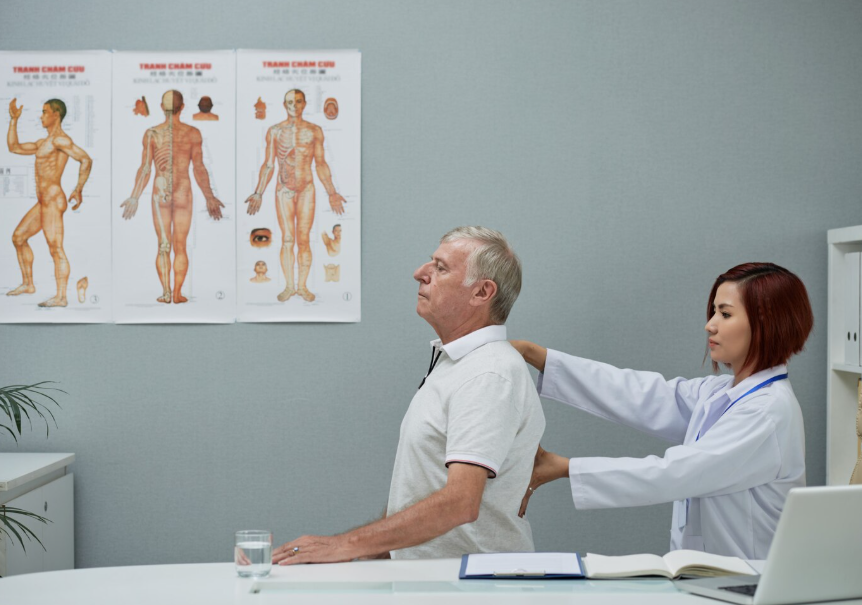
You are standing in the kitchen cooking dinner, and somewhere around the ten-minute mark a dull ache starts in your lower back and slides into your thigh. Or maybe it is a sharp, electric jolt that shoots down one leg when you bend to pick something up. Both feel like a nerve problem, and that is exactly why the spinal stenosis vs sciatica question confuses so many people.
The two are closely related, but they are not the same thing. One describes a tightening of the space inside your spine. The other describes pain that travels along a nerve. Figuring out which one you are dealing with, or whether it is both, is what points you toward care that actually fits.
Picture your spine as a tunnel that carries nerves from your back down to your legs. Spinal stenosis means that tunnel has become tighter. Sciatica is what you feel when one of those nerves gets squeezed or irritated: pain that runs from the lower back through the buttock and down the leg. In other words, stenosis is a possible cause, while sciatica is a pattern of pain, and a slipped disc can trigger it just as easily.
Here is how the pieces fit together:
A quick side by side makes the contrast easier to hold onto:
Factors
Spinal stenosis
Sciatica
What it is
Narrowed space in the spine
Pain travelling along an irritated nerve pathway
How it starts
Usually builds gradually
Can hit suddenly or build over time
Which leg
One or both
Most often one
What it feels like
Aching, heaviness, discomfort with standing
Shooting or burning pain down the leg
Definitions only go so far, though. What usually sends people looking for answers is what they notice during an ordinary day.
Both problems can bring lower back discomfort, tingling, numbness, and weakness, so the clues lie in when and where the sensations show up. The usual spinal stenosis symptoms tend to build slowly and follow your activity level, while sciatica tends to follow a single line down one leg.
These are the patterns worth noticing:
Because the patterns overlap, and because someone can have both problems at once, guessing at home rarely gives a reliable answer. That is where a proper assessment comes in.
No single symptom settles the question. A doctor pieces together your story, a hands-on exam, and, when it makes sense, scans. The goal is to find the real source of the pain rather than simply label it.
A visit usually moves through three stages:
Once the source is clear, the next question is what to do about it.
The right plan depends on how strong your symptoms are, where the nerves are being squeezed, your general health, and how much the problem gets in the way of your day. The encouraging part is that spinal stenosis treatment often begins with gentler steps, and many people start with non-surgical spine care before anyone talks about an operation. Results do vary from person to person.
A typical path looks like this:
A supervised program can build strength, flexibility, balance, and walking stamina. It will not widen the spinal canal, but it can help you do more with the room you have, which is the heart of managing spinal stenosis without surgery.
No two backs are alike, and some movements, especially ones that arch the lower back, can make things worse. A professional should help choose the routine.
Medication can quiet pain and inflammation while other measures do their work. For some people with stubborn symptoms, an image-guided injection becomes part of the plan.
It helps to keep expectations realistic. Injections aim to calm symptoms and do not reverse the narrowing, and the relief differs from one person to the next. Research on epidural steroid injections for stenosis is also mixed, so a specialist weighs each case individually.
Conservative care does not give everyone enough relief. A further opinion makes sense when:
Some signs cannot wait for a routine appointment. New trouble controlling your bladder or bowels, numbness around the groin or saddle area, or leg weakness that worsens quickly all call for emergency medical care right away. Surgery is one possible option when it is truly needed, not an outcome that is bound to happen.
Spinal stenosis is a tightening of the space inside the spine, while sciatica is nerve pain that travels into the leg. The two can feel alike and can show up together, which is why knowing the true cause matters before choosing a path forward. For many people, non-surgical care eases symptoms and makes everyday movement more comfortable.
If back or leg pain keeps returning, do not wait for it to wear you down. You can book an appointment and get a proper evaluation with Robert F. Mancuso, M.D.
Sciatica tends to shoot or burn down one leg, while stenosis brings heavy, aching legs that ease when you sit or lean forward. Both can exist together, so an exam settles the sciatica vs spinal stenosis question.
It can, when narrowing presses on nerves on both sides of the spine. Some people feel it in only one leg, depending on where the tightness sits.
Yes, many people manage with therapy, medication, activity changes, and selected injections. These ease symptoms but do not undo the narrowing itself.
Long stretches of standing or walking, and movements that arch the lower back, bother many people. Triggers differ, so notice your own pattern.
It deserves prompt attention when pain limits walking or weakness keeps growing. Bladder or bowel changes, or numbness around the groin, need emergency care.
SPINE CARE

Targeted interventions for athletes, emphasizing quick recovery and peak performance.


Innovative treatments and therapies promoting healing and pain management.

Holistic wellness programs focusing on preventive care, nutrition, and lifestyle interventions.