



Call US - (212) 457-0878

Appointment


Last winter the stairs at home were nothing. Now you take them one at a time with a hand on the rail, and your knee reminds you about every step. You've tried the pills from the pharmacy, maybe a brace, maybe a few weeks of going easy on it. Then someone brings up PRP injections for knee pain, and the detail that sticks is that it's made from your own blood.
That detail makes people curious, and it also makes them expect too much. PRP seems to help some knees a fair bit and others hardly at all, and the research hasn't settled the argument. So here is the straight version: how it's made, what the studies say, what the appointment is like, and what the weeks afterward look like.
PRP stands for platelet-rich plasma. A nurse or doctor takes a little blood from your arm, spins it in a machine, and pulls out the part that's packed with platelets. That concentrated liquid goes into your knee. Nothing comes from a donor and nothing comes from a drug company.
A few basics before the details:
Blood is mostly plasma, the pale yellow liquid, with red cells, white cells, and platelets floating in it. Platelets are the tiny pieces that rush to a cut and help it clot. They also give off chemical messengers that tell nearby tissue how to react to an injury. A platelet rich plasma knee injection puts a bigger dose of those messengers right into the sore joint.
One thing worth knowing: PRP isn't a single standard product. Machines, settings, and clinics differ, so the platelet count and the mix of other blood cells can differ too.
It takes less time than most people guess.
Since every clinic does this a little differently, the platelet rich plasma treatment you get may not match what your neighbor got across town. That gap is one reason studies don't always agree.
Here is the theory. The signals platelets release may calm irritation inside the joint and push nearby tissue to respond differently. Researchers are testing this under the banner of regenerative medicine for knee pain, and "testing" is the important word. Nobody has shown that PRP rebuilds cartilage that arthritis has worn away.
Sometimes. Some studies find less pain and easier movement after PRP, and others find hardly any difference from a placebo shot. Doctors also haven't agreed on the best preparation or how many injections to give. That's an unsatisfying answer, but it's the honest one.
Three questions sit underneath it:
The major groups looked at much the same research and landed in different places:
Source
Where it lands
American Academy of Orthopaedic Surgeons
PRP may cut pain and improve function in painful knee osteoarthritis, though the supporting evidence is limited
NICE (UK)
No major safety worries have turned up, but the proof that it works is limited in quality, so it asks for informed consent and tracking of results
American College of Rheumatology and Arthritis Foundation (2019)
Advised against PRP for knee and hip osteoarthritis, partly because preparations and injection methods vary so widely
So PRP therapy for knee pain has some support and some serious doubters. A good result for one person says little about what you'll get, and it's best to hear that before you spend money.
Doctors tend to raise PRP with people whose arthritis still hurts after the simpler things have been tried. Of all the knee arthritis injection options, it usually comes up later in the conversation. Your doctor will think about:
It doesn't suit everyone. A blood disorder, a low platelet count, or an active infection can take PRP off the table, and the doctor should check for those first.
Plenty of things nudge the result one way or the other:
All of that is why PRP treatment for knee osteoarthritis gets such mixed reviews. It also explains why PRP belongs next to exercise and rehab, not in place of them.
The visit itself is short and fairly ordinary. Plan on 30 to 60 minutes door to door, although that shifts with the clinic and the equipment. It breaks into three parts:
Expect a talk about your knee and your health before anything else happens. The doctor will ask about:
Please don't stop a prescription on your own. The instructions are different for everyone, and your doctor is the one to give them.
On the day, it usually goes like this:
Because it's your own blood, some of the worries tied to donor products don't apply. It's still an injection, so risks remain. The PRP injection side effects people report are mostly mild:
Call the office if you get a fever, redness that spreads, heavy swelling, or pain that keeps climbing.
Recovery has two stages, and people often blur them. First come the few days when the knee is sore from the shot. After that comes the longer stretch where you find out whether it helped. Your own PRP injection recovery time may be quicker or slower than what's described here, so treat it as a rough guide.
Most people can expect something like this:
A sore knee is the norm, and it's usually loudest during the first few days. Some people feel a little worse before they feel better. Relief almost never shows up overnight. When it does arrive it builds slowly, and a fair number of people never notice a meaningful change.
The early days are mostly about not overdoing it:
How long to avoid anti-inflammatory pills varies from doctor to doctor. And if you take aspirin or a blood thinner for your heart or another serious reason, don't drop it on your own. Ask first.
A follow-up visit lets your doctor compare how you feel now with how you felt before. You might go over stairs, walking, stiffness, and how far the knee bends. From there you can decide whether to add more rehab or try something else. PRP is only one piece of a wider non surgical knee pain treatment plan, and a second injection isn't automatic.
PRP takes a sample of your own blood and concentrates its platelets so they can go into a painful knee. Some people end up with less pain and easier movement. Others get little out of it, and the major medical groups still disagree about its worth. Expect a sore knee for a few days, then a wait of several weeks before you can tell whether it helped.
If knee pain keeps cutting into your days, a frank talk about your options is the sensible next step. You can contact the clinic to find out whether PRP fits your situation with Robert F. Mancuso, M.D.
For some people with knee arthritis, yes. Others get little, so ask your doctor whether your knee is a good candidate.
Rarely overnight. Many people wait four to eight weeks, and some need longer to tell.
Months, for those who respond, but nobody can name an exact length. It doesn't undo arthritis, so pain can come back.
Hard workouts and heavy knee use until your doctor says otherwise. Ask about ibuprofen and similar pills before taking any.
Medicare generally doesn't cover PRP for joint problems, and private plans vary. Call your insurer about costs before you book.
SPINE CARE
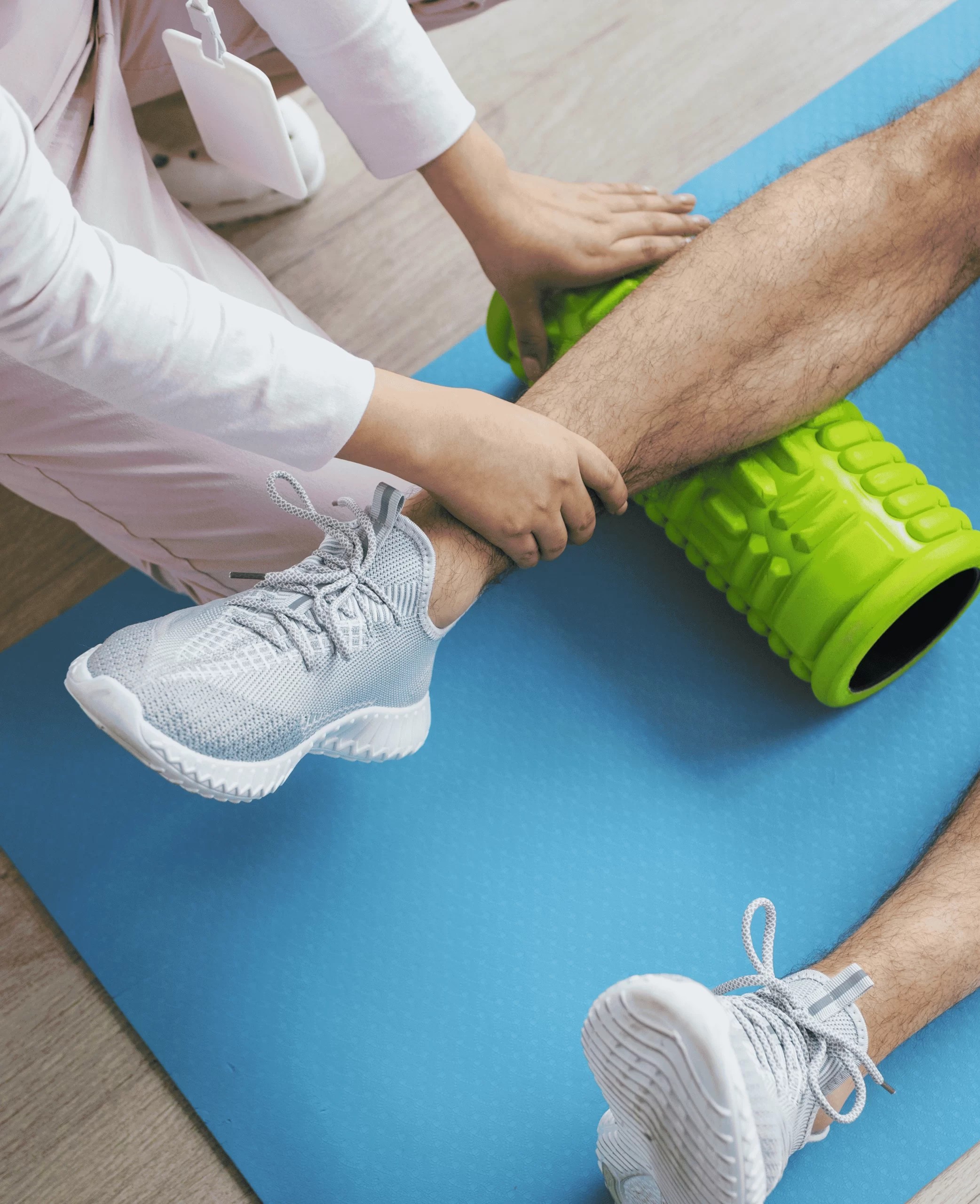
Targeted interventions for athletes, emphasizing quick recovery and peak performance.

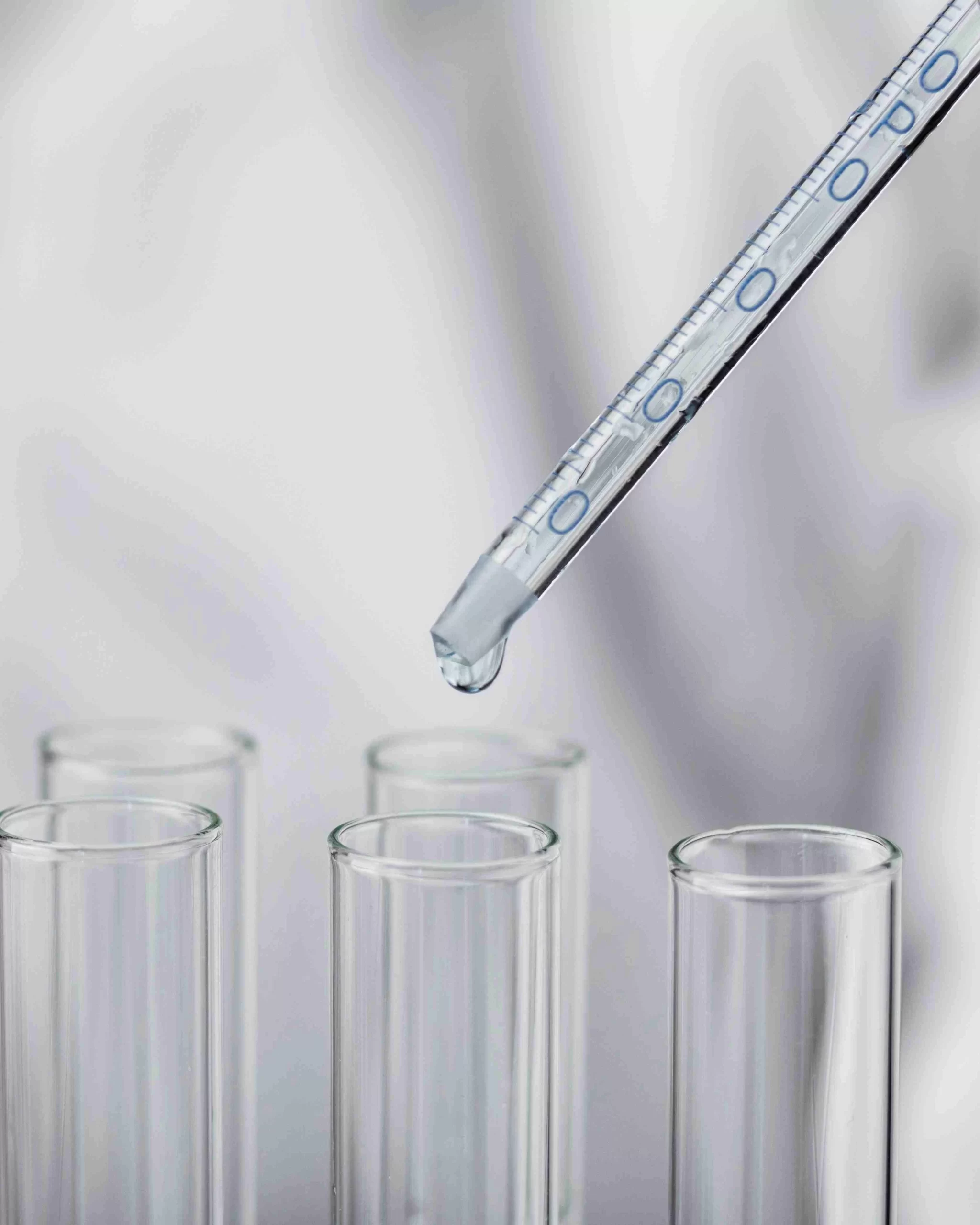
Innovative treatments and therapies promoting healing and pain management.

Holistic wellness programs focusing on preventive care, nutrition, and lifestyle interventions.